What Kangnuo stands for

ProfessionalismSincerityAltruismResponsibilityLong-term thinking

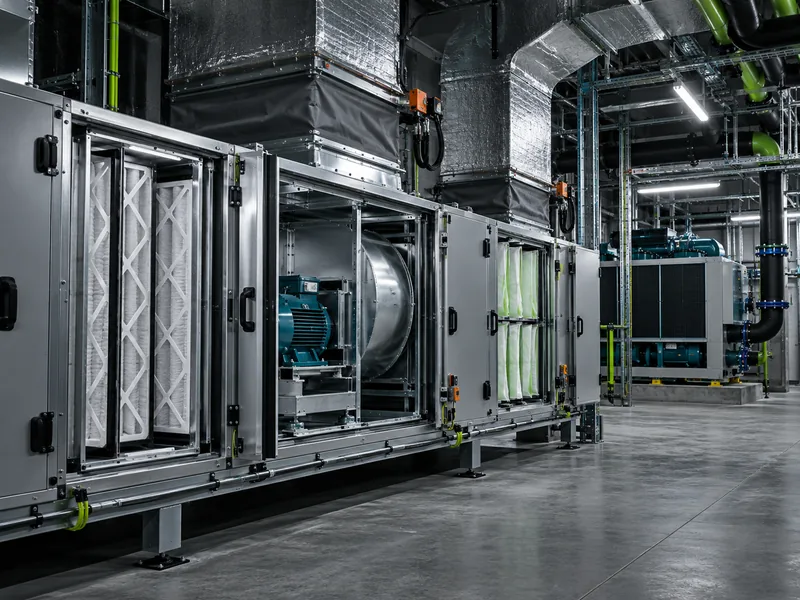
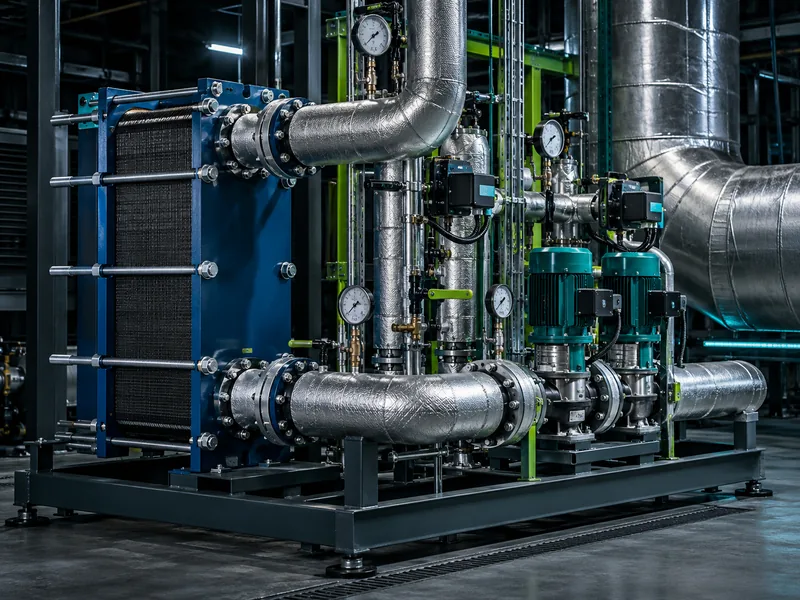
Kangnuo works with project owners across industrial buildings, civil buildings and energy retrofit, coordinating whole-process engineering consulting and design management. Scope is set by the appointment, the contract and the applicable qualifications.

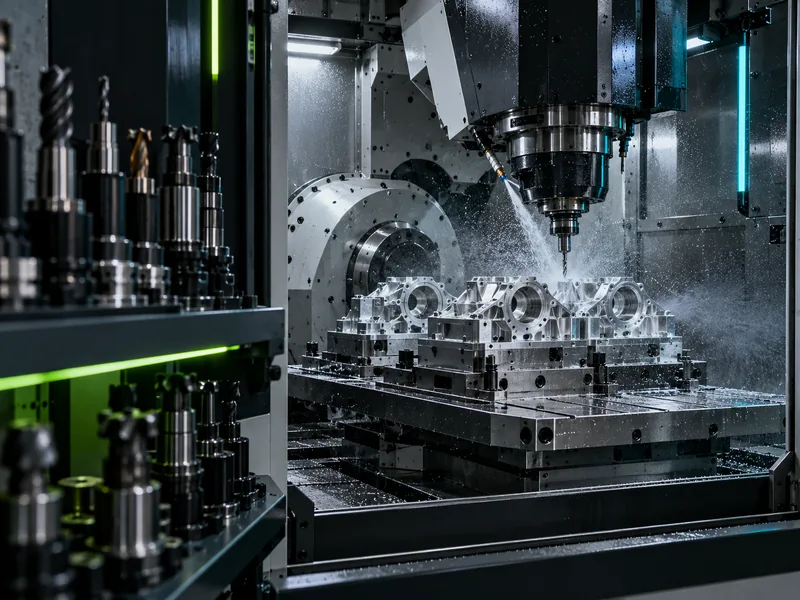
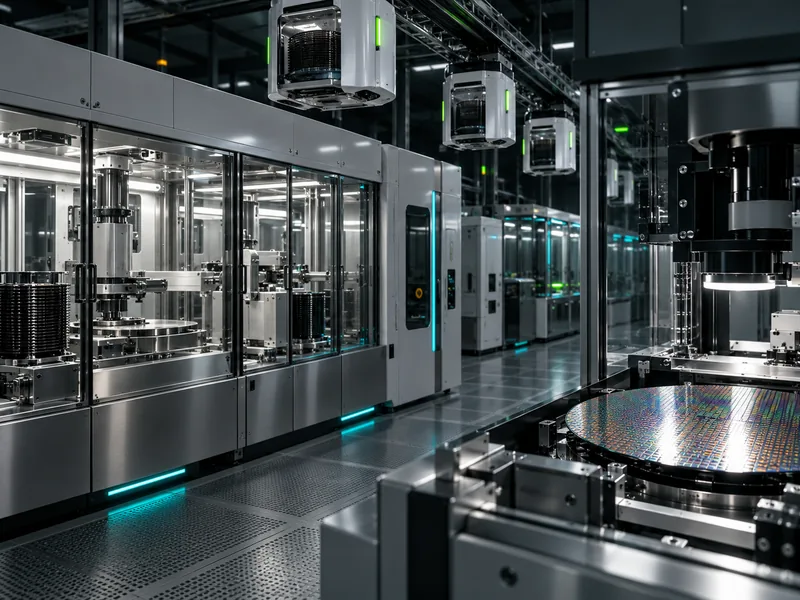
Smart factory and automated production line
Whole-process consultingDesign management and coordination
Early planningDesign alignmentDelivery coordination

Business scope

Three sectors,
one management approach.

Kangnuo works in three sectors: industrial buildings, civil buildings and energy retrofit. The industries and settings below describe the scope of work, not completed projects. Actual services depend on the appointment, the contract and applicable qualifications.

工业建筑

Industrial buildings01

From process requirements to a working plant: cleanroom class, system architecture, cost and start-up milestones aligned in one place.

Semiconductor / microelectronics场景

Semiconductor / microelectronics

In a microelectronics cleanroom, set the cleanliness class or the process layout first?

Set the process and the contamination-control target first, then translate them into class and system sizing. Fix the class too early and a later process change drags supply air, pressure cascades and routing with it. Kangnuo sorts process needs, cleanroom zoning and utility systems together at the early stage, and coordinates architecture, HVAC, electrical and process interfaces during design, so the key parameters reach the owner together with the reasoning behind them.


Life sciences场景

Life sciences

How does a biopharma suite differ from an ordinary cleanroom?

The difference is not only filtration but the control objective and how it is verified. Pharmaceutical production has to consider microbial control, people, materials and process on a continuing basis; hitting a particle count is not the same as passing certification. Design management here separates user requirements, facility qualification, environmental monitoring and quality responsibility, so each party's authority is written down rather than settled at handover.

New energy场景

New energy

Equipment is not fixed yet. Can civil works start?

Yes, provided equipment weight, clear height, lifting openings and power and exhaust interfaces are written down as stated assumptions, with an agreed way to re-check them later. Solar and battery lines change quickly and a process change usually moves structure and MEP with it. Kangnuo keeps these assumptions in one updatable condition sheet and runs an impact check on each equipment change, so the building is not finished before anyone notices it does not fit.

Automotive场景

Automotive

Why does plant retrofit so often disrupt production?

Because the production flow, equipment foundations, fire compartments and construction sequence were never planned together. Retrofitting a live plant means old and new systems must switch over on a given day; where that point sits, how long the line stops and what runs first all have to be agreed with the people running production. Design management lines the design programme up with the production plan and treats the available window as a design constraint, not a site-level compromise.

Textile场景

Textile

Where are the main difficulties in a textile plant?

In stable temperature and humidity, dust extraction and return air, and the loads and power demand that dense machinery brings. These pull against each other: tighter humidity control raises HVAC energy, and large extraction volumes change how air returns through the hall. Kangnuo compares these parameters on one basis during concept design so the owner sees the investment and running cost behind each setting, rather than choosing equipment first and working backwards.

Paper场景

Paper

In a paper mill, what comes first: civil works or equipment installation?

Confirm the process line, machine foundations and wet-area drainage first, then phase the civil works. Paper machines are long and heavily loaded, so machine foundations and building structure are usually designed together, while corrosion protection and floor falls in wet areas drive the floor build-up. The risk is each discipline drawing alone and meeting on site; Kangnuo runs cross-discipline reviews during survey and design so clashes are settled on drawings.

Data centre场景

Data centre

What coordination do owners most often miss in a data centre?

The boundary and interlock between power, cooling and fire suppression. Supply capacity, cooling redundancy and the procedure after a gas discharge each look clear alone, but together they raise the question of what acts first and who restores service. Kangnuo turns these into an explicit interface list at design and procurement, and puts the interlock logic into commissioning acceptance, so the whole system is proven rather than assembled.

Other industry场景

Other industry

How do you manage design when the process is not mature?

With stated assumptions and review gates, rather than waiting for a fully settled process. Parameters known today are marked as assumptions, with who supplies them, when they are re-checked and which disciplines move if they change, and the design programme is built around that. Kangnuo keeps the assumptions registered and turns each change into a written impact assessment, so decisions have a basis and rework has a boundary.

民用建筑

Civil buildings02

For public and commercial buildings, the work covers function, investment control and discipline interfaces — rather than leaving design, cost and supervision to manage separate segments.

Commercial complex场景

Commercial complex

For a commercial complex, what should be settled first?

The tenant mix and circulation logic, before form and materials. The mix drives loads, MEP capacity, egress width and back-of-house routes; circulation decides whether customers and deliveries collide. Settle these late and every discipline reworks. Kangnuo asks the owner to confirm the tenant list and area allocation during concept design, so all disciplines draw from the same basis.

Hotel场景

Hotel

How does hotel design management differ from residential?

Hotels are operations-led, housing is handover-led. A hotel needs the operator's brand standard, room mix, back-of-house flow and maintainable equipment choices settled early, because they are hard to change after opening; housing is more about handover standards and compliance. For hotels Kangnuo brings the operator's technical requirements forward as design conditions, avoiding demolition during fit-out.

Office场景

Office

How can an office building keep cost under control at concept stage?

Set the standard first, then compare options. Floor-to-floor height, efficiency ratio, facade-to-floor ratio and MEP grade each move the cost band considerably. Comparing these against the investment ceiling at concept stage works far better than value engineering after construction drawings. Kangnuo puts the cost consequence and the trade-off next to each option for the owner to decide, without promising a fixed saving.

Metro场景

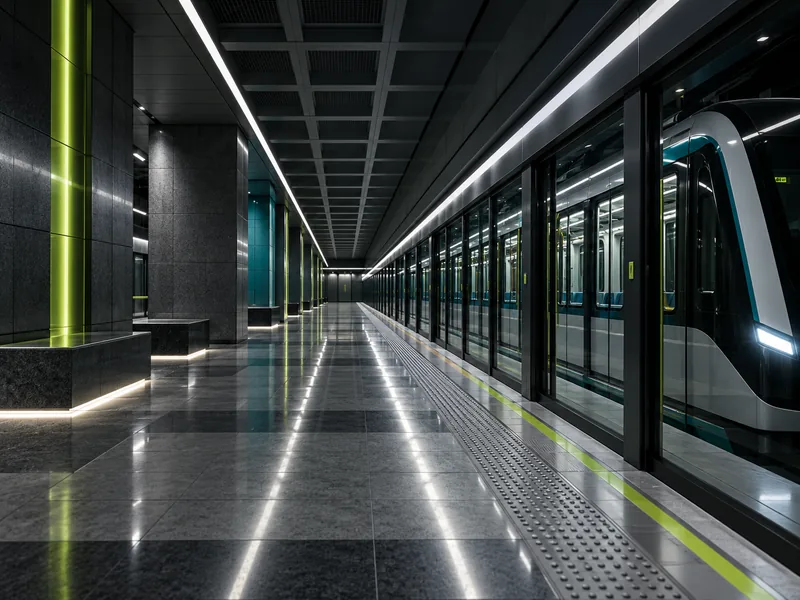
Metro

Why do metro projects have so many discipline interfaces?

Because planning, structure, MEP, fire, operations and neighbouring property rights all constrain each other, and a change in one carries into the rest. Interfaces are not the problem; the problem is nobody registers them or tracks closure. On such projects Kangnuo keeps an interface register: who raised it, whom it affects, when it closes and which document version governs, so changes do not rely on memory or verbal messages.

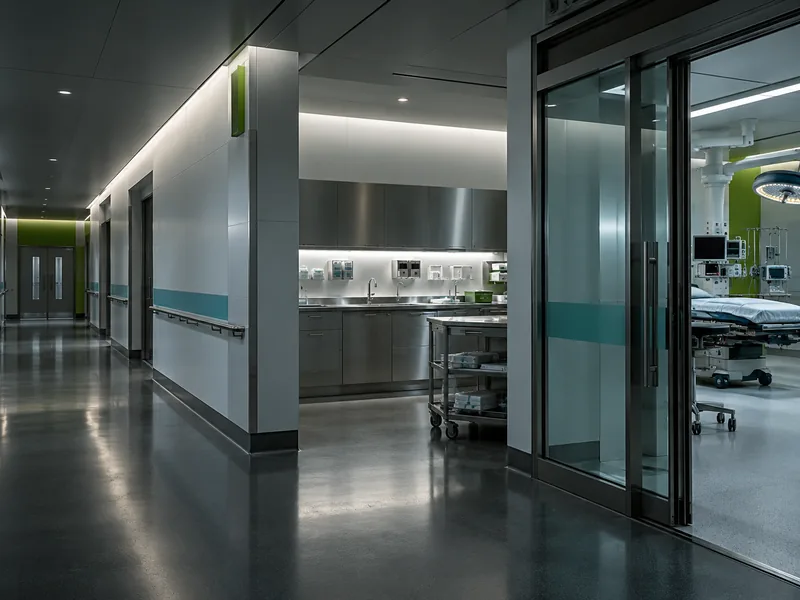
Hospital场景

Hospital

Where does rework most often start in a hospital project?

At the junction between clinical planning, structure and MEP. If department workflows, equipment dimensions, medical gases and power and data points are not fixed during civil works, fit-out almost certainly means demolition. Hospitals also phase opening and build while operating. Kangnuo brings clinical planners, user departments and disciplines into the same review during design and construction, so changes land on drawings and mock-ups rather than on site.

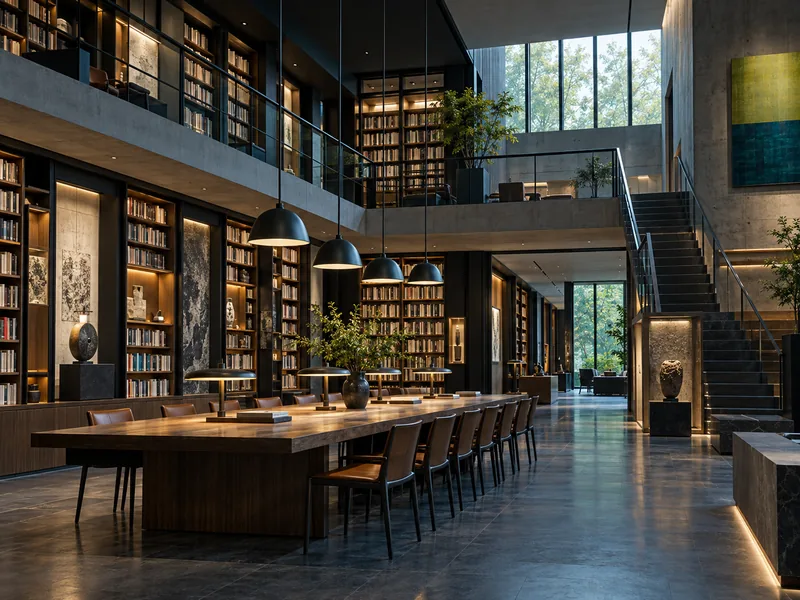
Culture and education场景

Culture and education

What should owners watch most in a library or exhibition building?

How it will actually be used, and who will run it. These buildings carry high formal ambitions and mixed functions, but day-to-day usability comes from reading and exhibition routes, acoustics and lighting, and the maintenance capability after handover. Kangnuo brings the operator's view into design conditions early and turns specialist requirements, such as close temperature and humidity control or display lighting, into conditions that can be tendered.

Residential场景

Residential

Does a residential project still need whole-process consulting?

It depends on project complexity and the owner's own management capacity. With standardised housing, an experienced team and clear contracts, the owner can manage it directly. Where planning conditions are complex, several plots run in parallel, or the owner lacks dedicated engineering management, coordinating design, cost and procurement through one interface reduces change and rework. Whether it pays depends on scale and the resources the owner can commit; there is no single answer.

节能改造

Energy retrofit03

Factory energy retrofit and low-carbon upgrade: define the boundary and baseline first, then select equipment and options, and confirm results against a verifiable basis.

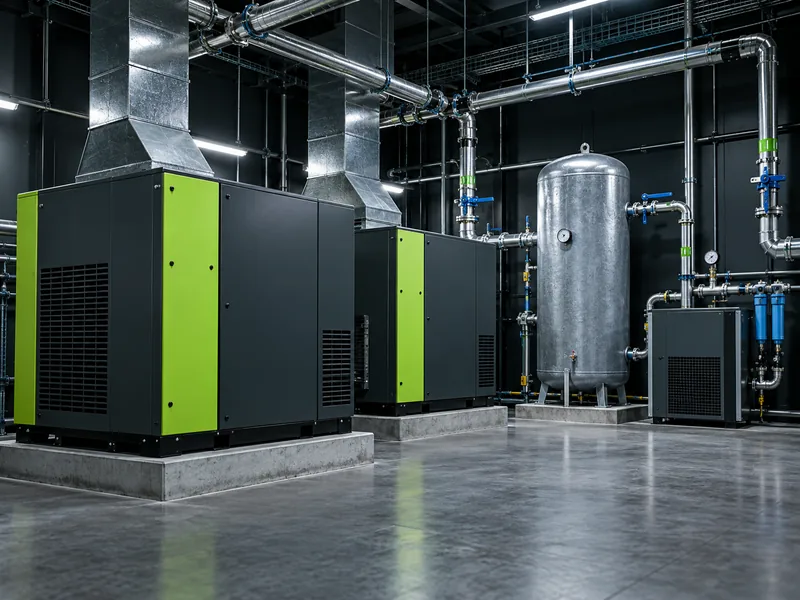
Compressed air and power场景

Compressed air and power

Compressed air: change the equipment first, or find the leaks?

Check the system first, then talk about equipment. Most compressed-air waste sits in leaks, excessive pressure settings and pressure drop in the pipework; replacing compressors without that diagnosis often costs money for little effect. The sound order is system diagnosis and a baseline, then comparison of retrofit options against investment. Kangnuo provides the diagnosis and the comparison; actual savings depend on operating conditions and are not promised in advance.

HVAC场景

HVAC

How do you judge whether an HVAC retrofit is worthwhile?

Define the boundary and baseline first, then work out the return. Whether the scope touches only terminals or the chiller plant as well, and which season or operating profile the baseline uses, can change the answer a great deal. Without a common basis, impressive numbers cannot support a decision. Kangnuo writes the boundary, baseline and metering method down first, then compares every option on that same basis.

Lighting and distribution场景

Lighting and distribution

Why is lamp wattage not enough in a lighting retrofit?

Because illuminance, uniformity and glare decide whether people can actually see, and they affect quality and safety as well. Cut the wattage without meeting illuminance and the rework costs far more than the electricity saved. The distribution side also needs capacity, harmonics and metering checked. Kangnuo evaluates lighting quality indicators together with the distribution conditions, rather than comparing watts alone.

Heat recovery场景

Heat recovery

Why does waste-heat recovery so often end up installed but unused?

Because the heat source, the heat sink and the load do not line up in time, or metering and operating responsibility are never assigned. Waste heat is available in one period and demand arrives in another; without buffering and scheduling the equipment simply idles. Kangnuo requires the source profile, the demand profile and the operating owner to be confirmed at concept stage, and writes into acceptance how continuous operation will be demonstrated.

Energy management场景

Energy management

Why does nobody look at the energy management system after go-live?

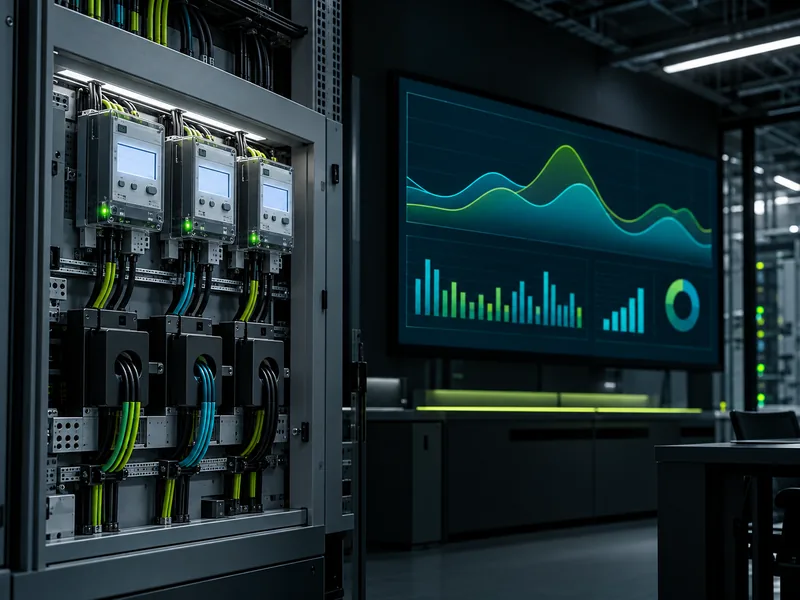
Because the system solves collection but not who looks, at what, and what they do about it. If sub-metering is not mapped to shifts, lines and accountable people, the data is just a report. The workable order is to define the management action first, then derive the metering points. Kangnuo settles that routine and the metering plan together at planning stage.

Sectors and settings describe the scope of work and carry no project evidence. They do not indicate completed projects. No savings rate or payback period is guaranteed for energy retrofit.

Services

Whole-process consulting,
organised by project stage.

Kangnuo's management framework covers six stages. Whether a specialist service is included depends on the appointment, the contract and the qualifications and personnel of the delivering party.

Six management stages, from early planning to warranty

01 / Early stage

Planning and decision preparation

Clarify the build objective, requirement boundaries and preconditions.

02 / Survey and design

Planning, review and discipline interfaces

Organise stage reviews, discipline alignment and change information.

03 / Procurement

Procurement interfaces and contracts

Align package interfaces, technical conditions and contract terms.

04 / Construction

Milestones, issues and changes

Track the schedule, coordination items and change impact.

05 / Close-out

Acceptance, records and settlement

Coordinate handover items, settlement records and open issues.

06 / Warranty

Defect tracking and review

Follow up, record and review experience as agreed in the contract.

The six stages are Kangnuo's management framework, not a statutory stage split, and whole-process consulting is not a fixed package. The actual service list is confirmed per project and compliance conditions. Read the NDRC guidance ↗

Project judgement

Every project,
starts with its conditions.

These are general viewpoints, not a claim that Kangnuo has delivered projects in these industries.

Checkpoint / 01

Function and technology

Which use requirements must become build conditions first?

Checkpoint / 02

Systems and investment

How can options be compared on the same basis?

Checkpoint / 03

Disciplines and delivery

Which interfaces must align before work proceeds?

Insights

Key questions, boundaries first.

Direct answers to the questions owners raise when choosing a service, comparing options and moving a project forward.

01

What does whole-process engineering consulting actually include?

It is not a single fixed package. NDRC guidance lists combinable services such as project management, survey, design, supervision, cost and tender agency. Each project must define the work content, deliverables and responsibility boundaries in the appointment and contract, and meet the applicable qualification and personnel requirements.

Kangnuo currently organises its work in six management stages: early stage, survey and design, procurement and contracts, construction, close-out, and warranty. The framework describes the management flow; it does not mean every project includes every specialist service.

NDRC: Guidance on developing whole-process engineering consulting services ↗
02

How is cost addressed earlier in design? Can savings be guaranteed?

Moving cost work earlier means assessing functional requirements, investment impact and delivery conditions while options and key systems are still comparable, then handing the options, the basis and the open questions to the owner for a decision. Once drawings are frozen or construction has started, the room to adjust may already be small.

Consulting work cannot promise a fixed saving percentage. Results depend on project information, comparison scope, contract terms, market conditions and the owner's decisions. No public Kangnuo cost-optimisation sample or quantified result is available to cite here.

03

What is the difference between design management and design services?

Design management coordinates requirements, the design programme, stage reviews, discipline interfaces, cost targets and change information. It is not the same as issuing design deliverables that legally require qualified personnel and sealed documents. The contract should state the scope, deliverables and responsible party for management and for design services separately.

The national model contract for whole-process consulting lists 'survey and design management' separately from 'survey and design services'. It is a recommended model text, not recognition of any company's qualification or capability.

SAMR model contract library: GF—2024—2612 ↗
04

Can whole-process consulting take over the owner's, designer's, contractor's or supervisor's responsibility?

The name of the service does not merge or transfer responsibilities. A consultant provides management, coordination and advice within the authority granted by the contract. The owner's decision-making role, the designer's design responsibility, the contractor's construction responsibility, and any statutory supervision duty where supervision is included, are each determined by law, qualification scope and the contract.

The actual cooperation model, specialist appointments and responsibility split must be reviewed at project level. This page is not legal advice and does not replace contract review.

Read the NDRC guidance ↗

Action and record

康诺益行

A clear, continuously updated record of community and public-interest activity.

Activity and public-interest records will be updated once facts and public authorisation are verified.

Activity record

Activities shown after public material is verified.

Public-interest work

Real stories, once facts and authorisation exist.

Project enquiry

Put the project
into words.

If you are deciding a direction, aligning options or pushing a project forward, write the situation down and we will tell you what to discuss first.

Three points settled first make the discussion useful.

  • Project type
  • Current stage
  • The real problem

This page sends nothing and stores nothing: the button only builds a summary in your browser.

Describe it in your own words if unsure, e.g. food processing plant, campus office, lighting retrofit

Describe it in your own words, e.g. land just acquired, drawings in progress, already on site

* required